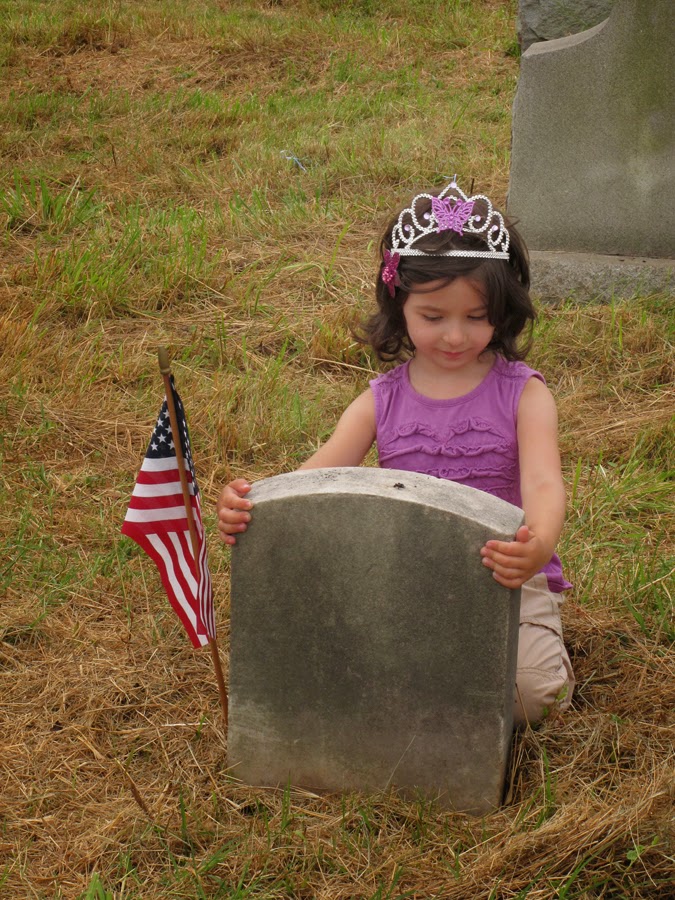
If you’re an outdoor photographer, the letters DST might be your nemesis. In the fall, in the northeast part of the United States, the switch from Daylight Saving Time (DST) back to “standard” time is when you run out of light early, an outdoor photographer’s worst nightmare. Since I photograph cemeteries (and most cemeteries are, for the most part, outdoors), it becomes more challenging to photograph them at this time of the year. Every once in a while I would stop by a cemetery on my way home from work to do some photography. Not so in the winter – its just too dark.
 DST is the practice of advancing clocks during summer months
by one hour so that light is extended in the evening hours, and sacrificing
normal sunrise times. Which is fine, but I’ve always been too lazy to
photograph sunrises anyway. (Sunsets, on the other hand, have been more my forte.) Spring forward, fall back, indeed. While it’s a documented
fact that more outdoor photography is done during the summer months than in the
winter (1), you may need to fall back on an alternate plan if you want to
maintain your current outdoor photographic production during the months of waning light.
DST is the practice of advancing clocks during summer months
by one hour so that light is extended in the evening hours, and sacrificing
normal sunrise times. Which is fine, but I’ve always been too lazy to
photograph sunrises anyway. (Sunsets, on the other hand, have been more my forte.) Spring forward, fall back, indeed. While it’s a documented
fact that more outdoor photography is done during the summer months than in the
winter (1), you may need to fall back on an alternate plan if you want to
maintain your current outdoor photographic production during the months of waning light. You notice the “dying of the light” (hats off to Dylan Thomas) around September – the days begin to get shorter. Then during the first week of November we’re off DST and back on standard time, the tripping point. It’s dark when you get up in the morning and its dark when you leave work. From here, there is a steady progression to the winter solstice (mid-December) as we continue losing our precious light. If you’re in the earth’s northern hemisphere, the winter solstice is the shortest day of the year.
Photography is all about light. We may not think of it that way, but given current imaging technology, photography depends on light to create an image. Film worked that way, and so does digital. The less available daylight, the less able we are to make daylight photographs.
 |
| Self-portrait of author at Point Lobos, California |
The loss of light never affected me as much as it did during a trip to Point Lobos, near Big Sur on the California coast a few years ago. I took a break from photographing cemeteries and planned a side trip to Point Lobos State Natural Reserve. Within the park, on the coast below Monterrey, is the area with all the weird rocks where the famous photographer Edward Weston made many of his famous images (read more about Weston and view images here). I arrived late in the day as a fog rolled in. I barely had an hour’s light. As much as I was looking forward to being here, I was ill-prepared for actually making photographs. The beauty of the setting was overpowering. I lamely made some digital and some film images, while taking in the magnificent scenery. Every rock, every dead branch was glorious. It looked like nowhere else on earth. Which, I suppose, is why Weston spent so much time here. He photographed dried seaweed, dead logs, the surf, cypress trees, the beautifully eroded rocks - for years.
 |
| Point Lobos, near Big Sur, California |
I realized, I think, as the day drew to a close, how Weston may have felt at the end of each day. When nature closes the curtain, it is almost like being robbed of something precious. You want it to last forever, this section of wild ocean shoreline is so captivating. It is also very difficult to describe WHY it is so spellbinding. If you’re an outdoor photographer and you appreciate form and shape, “Weston Beach” can be a wondrous experience.
The experience taught me a lesson, well, a few lessons,
which apply to more than just photography:
1. Planning is paramount – too early is way better than too late, in the same way that over-studying for an exam is better than under-studying (if you want a good grade)
2. Be prepared – I was not expecting the very dim conditions, and I had only one roll of film.
3. Appreciate the scarce resources around you, e.g. light.
4. Allow yourself time to appreciate the beauty around you.
5. Nothing lasts forever (even cemeteries).
-
 |
| Author in a cemetery at night, illuminating with an L.E.D. panel light |
So as we face days of limited light, how can we best take advantage of this precious commodity? (And it is just that, as conflicting as it may seem: a commodity we take for granted, like electricity, yet precious in that we would be lost with it. Without light, in fact, we would quite literally be lost!) Must we “rage against the dying of the light?” With all due respect to Dylan Thomas (and his wonderful poem, Do not Go Gentle into that Good Night), there are alternatives.
 |
| Fall at Mount Moraih Cemetery, Philadelphia |
Rather than be upset about such a situation or allowing
Mother Nature to grind your work to a halt, plan to do your photography in a
different way. Maybe take a day off work to exercise your skills. As a way of
stocking up, I got as much photography in as I could in the past few weeks. I
took a bit of time here and there to photograph the autumn leaves at Mount
Moriah, Woodlands, and Laurel Hill cemeteries (Philadelphia). If you shoot mostly black and white, this is a good opportunity to capture the colors of the season! Assuming you
don’t actually become clinically depressed with seasonal affective disorder
(SAD), there are steps you can take, like consciously planning to do other
types of photography during this time of the year.
 |
| Artificially-lit mausoleum at night |
What are some other options for photographers, the “painters of light,” when the resource becomes scarce? If you photograph cemeteries, there ARE some that you can enter at dusk, or even night. Too spooky? Try your hand at night photography in other locations, possibly experimenting with both existing and artificial light. Try taking a day off work just to do photography or maybe adjust your schedule to accommodate getting more photography done during limited daylight.
 Here’s one of the things I did last year when Mother Nature
got in the way of my plans: I let her
lead me to places I’d not explored in the past. I began photographing
cemeteries in the rain, and the snow. I started two Facebook Group pages called
Cemeteries in the Rain, and, you guessed it - Cemeteries in the Snow, both of with were
well-received. People from all over the world posted their photographs on these
pages. Cemeteries in the Snow, in particular, struck a powerful chord with many
people. Why? Possibly because the time of year it usually snows (winter) is the
time of year with – you guessed it – the shortest days! Maybe other
photographers benefited from some creative nudging at this low-light time of
the year.
Here’s one of the things I did last year when Mother Nature
got in the way of my plans: I let her
lead me to places I’d not explored in the past. I began photographing
cemeteries in the rain, and the snow. I started two Facebook Group pages called
Cemeteries in the Rain, and, you guessed it - Cemeteries in the Snow, both of with were
well-received. People from all over the world posted their photographs on these
pages. Cemeteries in the Snow, in particular, struck a powerful chord with many
people. Why? Possibly because the time of year it usually snows (winter) is the
time of year with – you guessed it – the shortest days! Maybe other
photographers benefited from some creative nudging at this low-light time of
the year.
References
and Further Reading:
(1)
I made that up about more outdoor photography being done during the summer months than in the
winter - just wanted to see if you
were paying attention.
In Point Lobos, Where Edward Weston Saw the World Anew
In Point Lobos, Where Edward Weston Saw the World Anew